












What a Crown Actually Does
A natural tooth resists chewing force because it is a continuous structure. Force applied to the biting surface is distributed down through the walls into the root. Remove enough of those walls — through decay, a fracture, or a large filling — and the remaining structure flexes instead of resisting.
Flexing is what splits teeth. Each bite opens a crack slightly and each release closes it, and over months the crack propagates. A filling placed into that tooth does not stop the flexing; it sits inside the walls and acts as a wedge between them.
A crown works differently. It encircles the tooth like a band, so the walls cannot separate. Force applied to the top is transmitted around the ring rather than pushing the walls apart. This binding effect is the entire clinical argument for crowning.
Understanding this explains most of the decisions on this page — including why a small chip on a front tooth needs bonding rather than a crown, and why a heavily filled molar needs a crown even when it is not currently hurting.
The same binding principle explains why a crown is the standard restoration after root canal treatment on a back tooth. Access to the canals is gained through the middle of the biting surface, which removes exactly the structure that held the walls together.
When a Crown Is Genuinely Needed
There are five situations where a crown is the appropriate treatment rather than a more conservative option.
- After root canal treatment on a back tooth. Root-treated teeth have lost the structure that held their cusps together, and have no nerve left to signal overload from the middle to access the canals. Crowning them is standard practice, not an upsell.
- A cracked tooth. Where a crack is present but has not yet split the tooth, a crown binds it and stops progression. This is the situation where crowning genuinely saves teeth.
- A cusp already fractured. A missing corner of a molar cannot be rebuilt with a filling that will hold.
- A very large existing filling. Where more than about half the biting surface is filling material, the remaining walls are thin and the tooth is on a trajectory towards fracture.
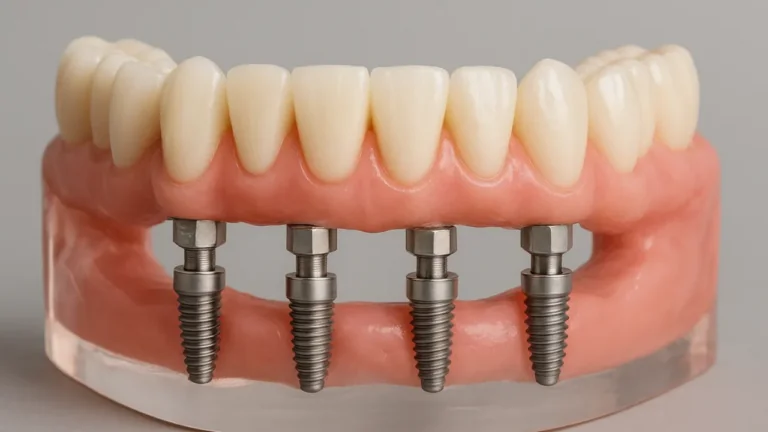
- On a dental implant. A crown is the standard restoration on an implant abutment; there is no alternative here.
Cosmetic crowning of a sound tooth is the exception rather than the rule. Where appearance is the only concern and the tooth is structurally intact, veneers remove far less tooth and should be considered first.
When Something Less Is Enough
Crowns are over-prescribed in some settings, and knowing the alternatives lets you ask sensible questions about a proposed plan.
A filling is sufficient where the walls of the tooth remain substantial and the cavity is moderate. Modern bonded composite is strong and restores a reasonable amount of function without removing sound structure.
An inlay or onlay is a laboratory-made restoration that fits into or over part of the tooth without covering it entirely. An onlay can cover and protect a weakened cusp while leaving the rest of the tooth untouched. It is the genuine middle ground and is under-offered relative to how useful it is.
Nothing at all is sometimes the right answer. A tooth with a sound old filling, no crack, no symptoms and no decay does not need prophylactic crowning. Monitoring with photographs and radiographs is a legitimate plan.
The question worth asking of any crown proposal is simple: what specifically would happen if this tooth were filled or onlayed instead? A clear answer indicates the reasoning has been done.
Where the concern is appearance on a front tooth rather than structure, the options run from composite bonding through veneers before reaching crowns, and each removes progressively more tooth. Starting at the conservative end is the sound approach, and it is reversible in a way that crowning is not.
The Materials
Crown materials fall into four broad families, and each trades strength against appearance in a different way.
Zirconia is a ceramic with exceptional fracture resistance. Modern high-translucency versions look convincing, and monolithic zirconia — milled in one piece with no layering — is the most durable tooth-coloured option available. It is covered in detail in the zirconia guide.
Lithium disilicate, usually known by the brand name E-max, is a glass ceramic with excellent optical properties. It is the material of choice for front teeth where appearance matters most, at the cost of lower fracture strength than zirconia.
Porcelain fused to metal is the traditional workhorse: a metal substructure with ceramic layered over it. Strong and long-proven, but the metal blocks light, and the collar can show as a dark line if the gum recedes.
Full metal, usually a gold alloy, remains technically the kindest material to the opposing tooth and the most durable. It requires the least tooth removal. Its use has declined almost entirely for appearance reasons rather than clinical ones.
Comparing the Materials
| Zirconia | E-max | Porcelain-metal | Gold | |
|---|---|---|---|---|
| Fracture strength | Highest | Good | Good | Highest |
| Appearance | Very good | Best | Fair | Poor |
| Tooth removal needed | Moderate | Moderate | Most | Least |
| Wear on opposing teeth | Low if polished | Low | Higher | Lowest |
| Suits front teeth | Yes | Best choice | Acceptable | No |
| Suits heavy grinders | Best choice | Less so | Yes | Yes |
| Dark line risk at gum | None | None | Yes | Visible metal |
| Repairable in mouth | No | Limited | Limited | No |
Two rows deserve comment. "Tooth removal needed" is the one patients are rarely shown, and gold requiring the least is a genuine clinical advantage that appearance has priced out of the market. And "suits heavy grinders" is why a grinding habit should be established before the material is chosen rather than after the first crown fractures.
"Repairable in mouth" is the row nobody thinks about until it matters. A chipped layered ceramic can sometimes be patched with composite as an interim measure; a fractured monolithic crown is replaced. For a patient who lives a long flight away, that distinction has practical weight beyond the clinical one.
How Much Tooth Is Removed
This is the part of crowning that is irreversible, and it deserves to be understood before consenting rather than afterwards.
Preparation removes roughly one to two millimetres from every surface — the top and all four sides — to create space for the crown material. The exact amount depends on the material: zirconia and metal need less, layered ceramics need more.
On a heavily damaged tooth this is not much of a loss, because most of that structure was already gone. On a sound tooth it is substantial, and it is why crowning healthy teeth for appearance is a decision that should be weighed carefully rather than made casually.
A proportion of prepared teeth — the figure varies with how deep the preparation went — subsequently need root canal treatment because the nerve reacts badly to the trauma. This risk is real, it is higher on teeth that were already heavily restored, and it should be mentioned in any honest consent discussion.
The Process
Conventional crown treatment takes two appointments separated by laboratory work, though same-day options exist where a clinic has milling equipment on site.
- Assessment. Radiographs to check the root and surrounding bone, and to confirm the tooth is restorable at all.
- Preparation. Under local anaesthetic, the tooth is reduced and shaped, with a defined margin where the crown will meet the tooth.
- Impression or scan. Digital scanning has largely replaced material impressions and is more comfortable and generally more accurate.
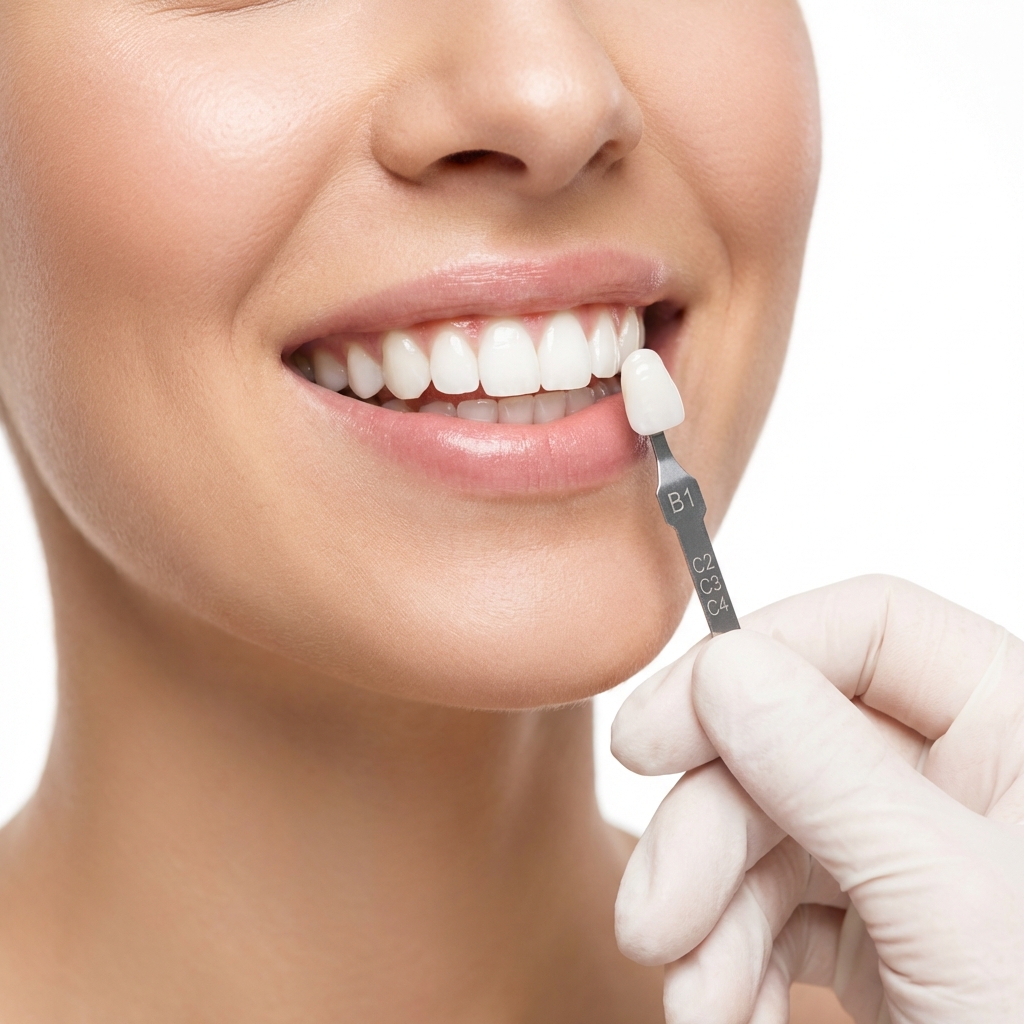
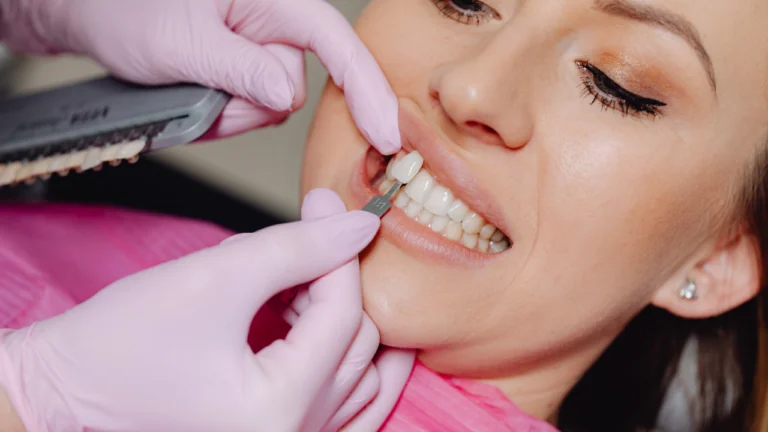
- Shade selection. Best done before the tooth dries out during the appointment, since dehydrated teeth appear lighter.
- Temporary crown. Protects the prepared tooth and maintains position while the permanent one is made.
- Fitting. The crown is tried in, the margins and contacts checked, the bite adjusted, and it is cemented.
The bite adjustment at the end is not a formality. A crown that is even fractionally high concentrates force on that tooth every time the jaw closes, causing tenderness and, over time, cracking. If a new crown feels different when you bite after the anaesthetic wears off, it should be adjusted rather than tolerated.
Living With a Temporary
The temporary phase is brief but it is where most avoidable problems occur, and the instructions are specific.
Temporary cement is deliberately weak so the crown can be removed without damaging the preparation. Sticky foods — toffee, chewing gum, crusty bread — pull temporaries off, and that is the design working as intended rather than a failure.
When flossing, pull the floss out sideways rather than snapping it upwards through the contact. Pulling up is what dislodges temporaries, and it is the single most common cause.
If a temporary does come off, keep it and have it recemented promptly. A prepared tooth left uncovered is sensitive, and the neighbouring teeth can drift within days — enough that the permanent crown no longer fits. Some sensitivity to cold during this phase is normal; pain that wakes you at night is not, and suggests the nerve is deteriorating.
Temporary crowns are also deliberately made slightly under-contoured at the gum margin, which can make the gum look slightly inflamed. That is expected and settles once the definitive crown with its proper contour is fitted — it is not a sign that something has gone wrong.
What Determines How Long It Lasts
Patients ask about materials. The evidence suggests materials matter less than three other factors, all of which are within someone's control.
Margin fit. Where the crown meets the tooth is where decay begins. A margin with a gap or an overhang collects plaque in a place no brush reaches. This is the single strongest determinant of crown longevity and it is decided entirely by the preparation and the laboratory work.
The bite. A crown taking excessive or off-axis force fails early regardless of what it is made from. Adjustment at fitting, and protection where grinding is present, do more for longevity than upgrading the material.
What is underneath. A crown is only as sound as the tooth beneath it. Decay at the margin, a root fracture, or progressive gum disease will end the restoration's life while the crown itself remains perfect.
Well-made crowns commonly last ten to fifteen years and frequently longer. When they fail, it is usually the tooth or the margin rather than the ceramic.
What Goes Wrong
The failure modes are predictable and, in most cases, detectable early if you know what to look for.
- Decay at the margin. The commonest cause of crown failure. Silent, so it is found at check-ups rather than felt.
- Fracture of the ceramic. Chipping of layered porcelain, particularly in grinders. Monolithic materials resist this considerably better.
- Loosening. The cement seal fails and the crown moves. It must be dealt with promptly, because decay progresses rapidly under a loose crown.
- Nerve deterioration. The tooth beneath develops pulpitis and requires root canal treatment, sometimes years later.
- Recession exposing the margin. A dark line at the gum with a porcelain-metal crown, or an exposed root surface that then decays.
- Root fracture. The most serious, since a fractured root is usually unrestorable and the tooth is lost.
The practical implication is that crowned teeth need the same routine examination as any others, not less. A crown does not make a tooth immune to decay; it moves the vulnerable point to the margin.
Where a crowned tooth is eventually lost despite everything, the planning question becomes how to replace it — and having that conversation before the extraction rather than afterwards preserves options, particularly the possibility of socket preservation.
Crowns on Implants
A crown on an implant looks similar and behaves differently, and the differences matter for both treatment and maintenance.
There is no preparation, because there is no tooth — the crown attaches to an abutment on the implant. There is also no nerve, so an implant crown never causes sensitivity and never requires root canal treatment.
The critical difference is the absence of a periodontal ligament. A natural tooth has a fibrous cushion that allows slight movement and absorbs shock; an implant is fused directly to bone and transmits force straight into it. This is why bite adjustment on implant crowns is done with more care, and why protection matters more in grinders.
Screw retention is generally preferred over cement where the angle allows, because it avoids leaving residual cement beneath the gum — a preventable cause of peri-implantitis and one of the more frustrating late complications.
One further practical difference: an implant crown has no root to detect overload. A natural tooth becomes tender when the bite is high, which is an early warning. An implant gives no such signal, so the force simply accumulates in the bone until something changes on a radiograph. This is why implant crowns are reviewed at intervals rather than only when symptoms appear, and why protection against grinding matters more here.
Same-Day Crowns
Chairside milling systems produce a crown in a single visit from a digital scan, and the technology is now mature enough to be a genuine option rather than a novelty.
The advantages are real: no temporary phase, no second appointment, and no period during which the preparation can be damaged or teeth can drift. For patients travelling, eliminating a visit changes the shape of a treatment plan.
The limitations are equally real. Same-day crowns are milled from a single block of material, which restricts the ability to layer ceramic for the subtle colour gradients a front tooth needs. For back teeth this matters little; for a single front crown next to a natural tooth, laboratory work still produces a better result.
The honest summary is that same-day systems are excellent for posterior crowns and adequate for many anterior ones, and that the best material for a particular case is a better basis for deciding than the convenience of finishing in a day.
What Getting Crowns in İstanbul Actually Involves
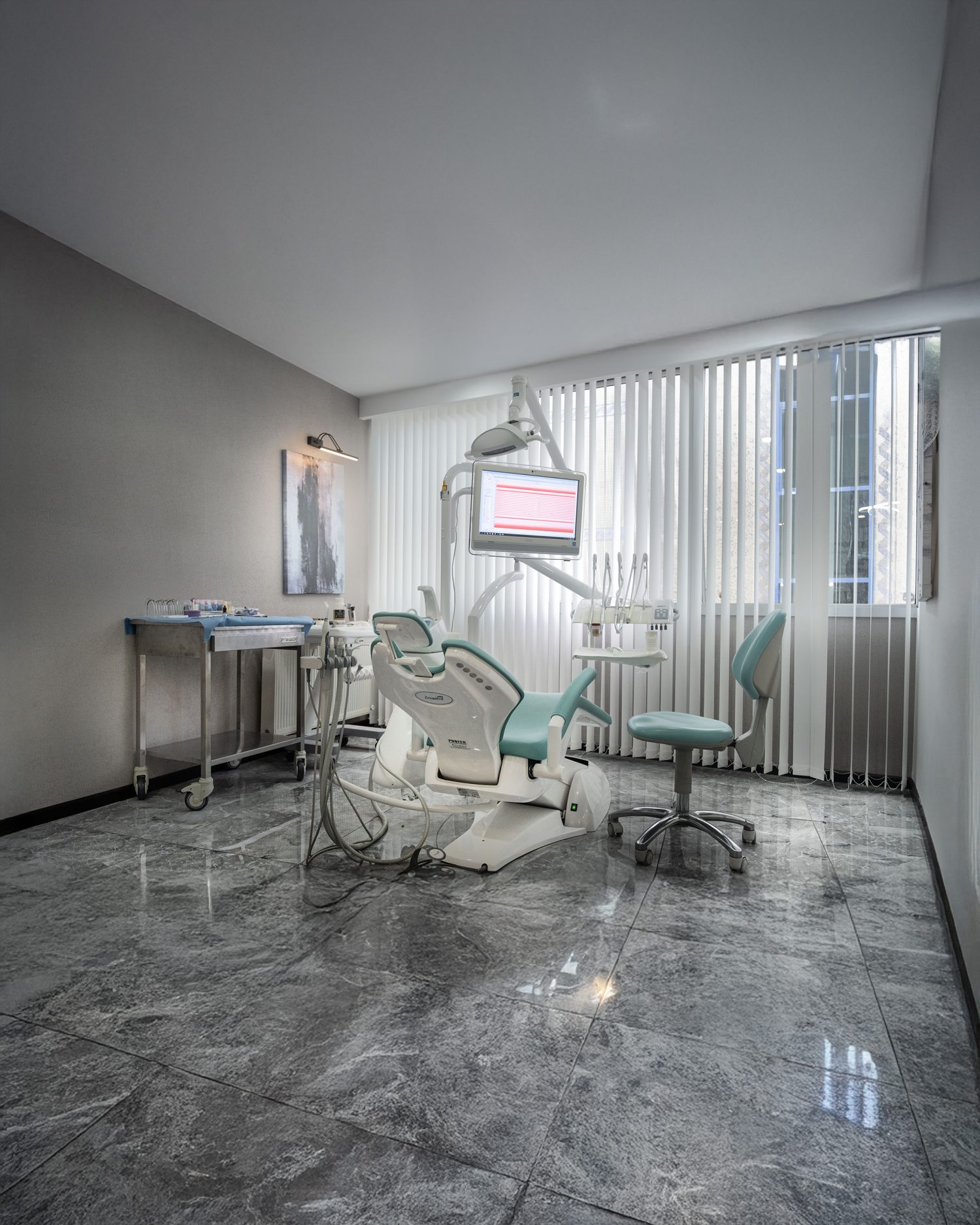
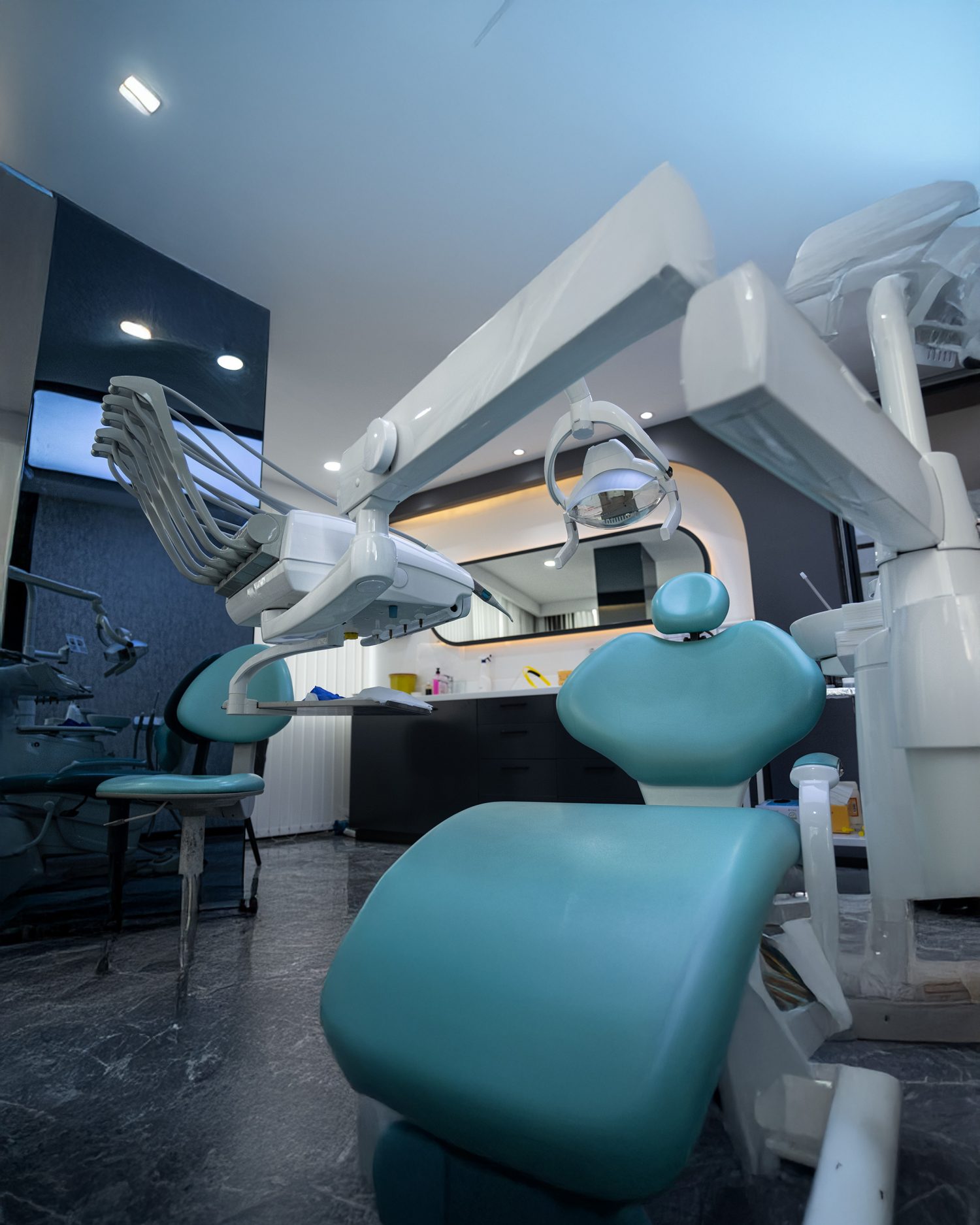
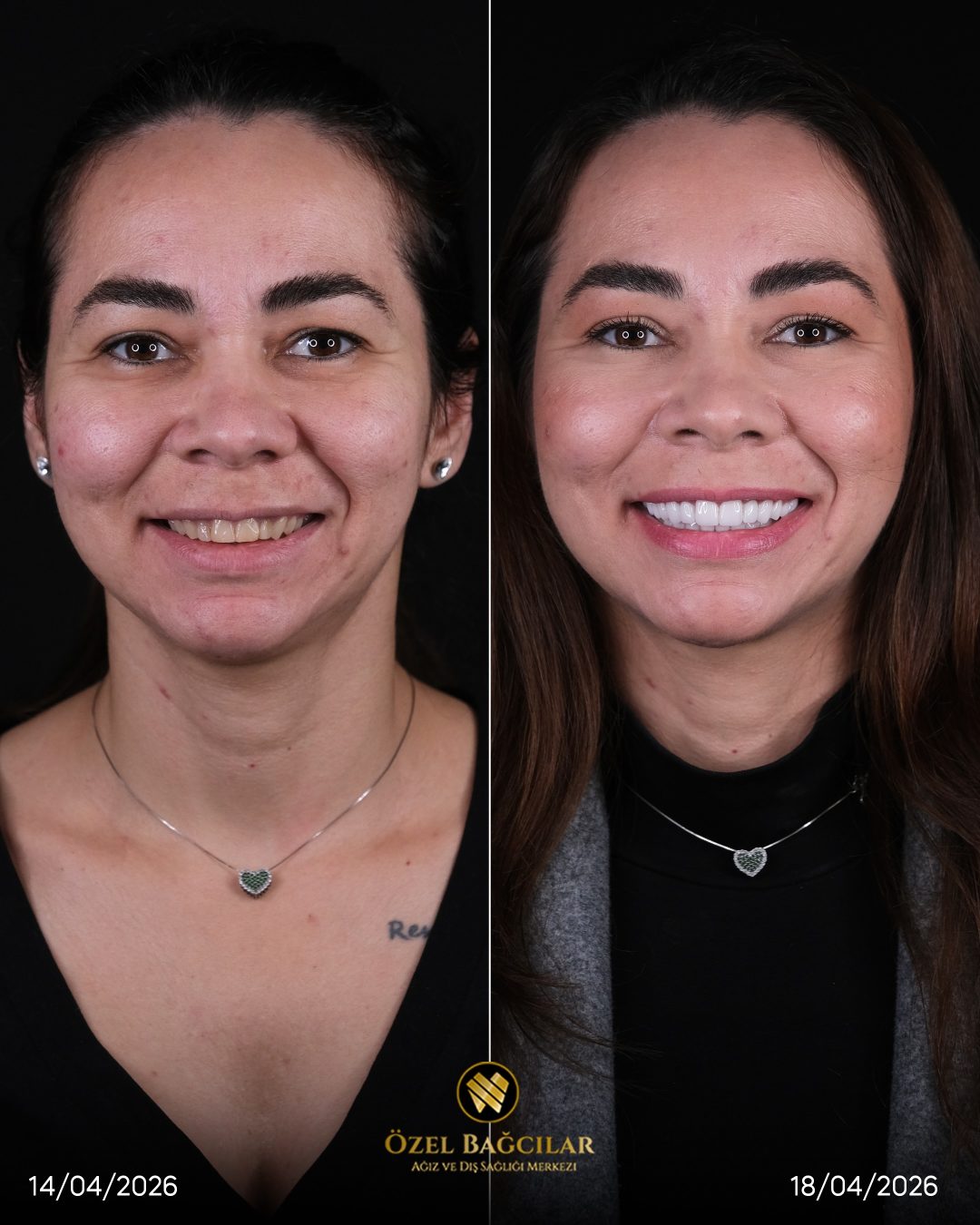
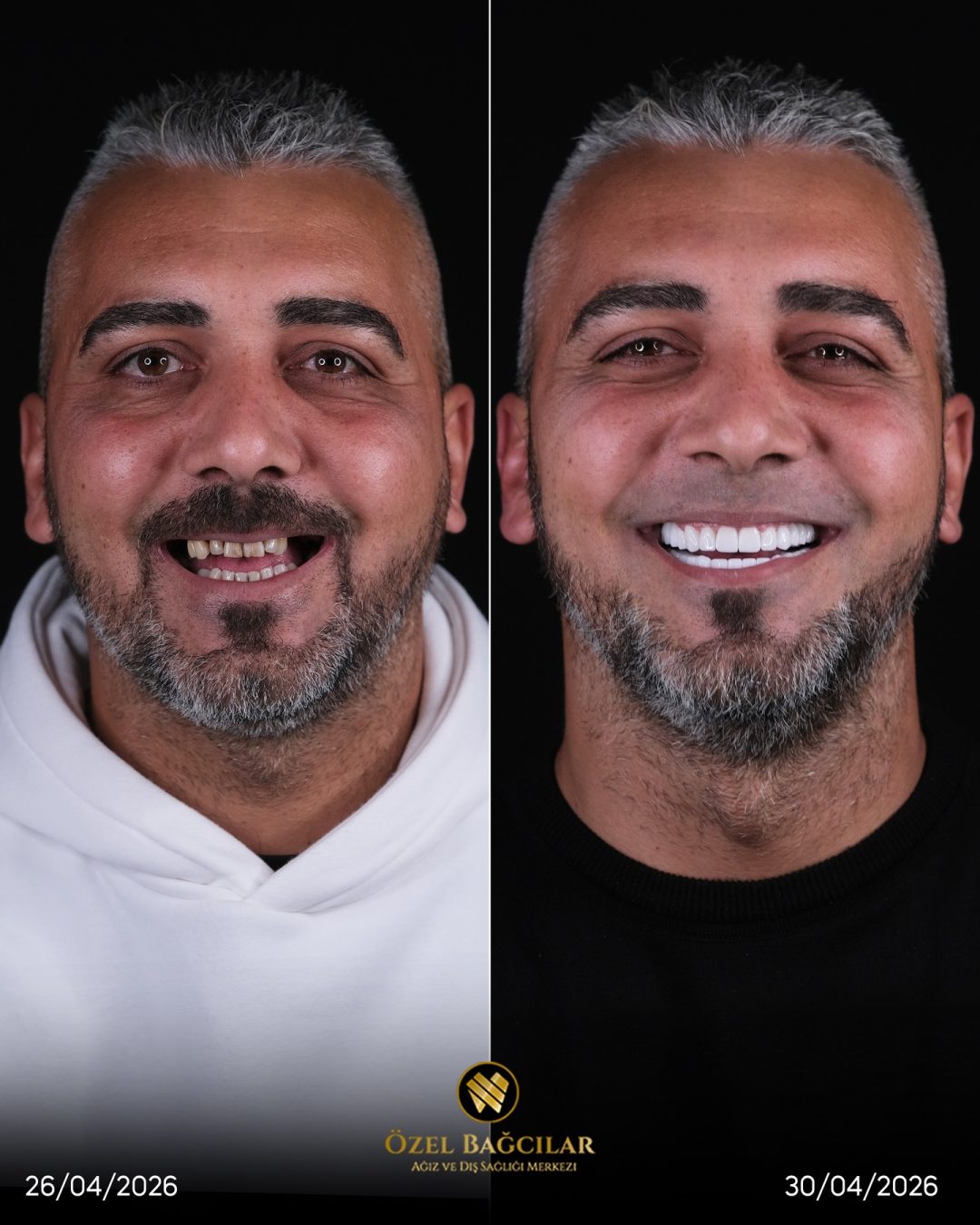
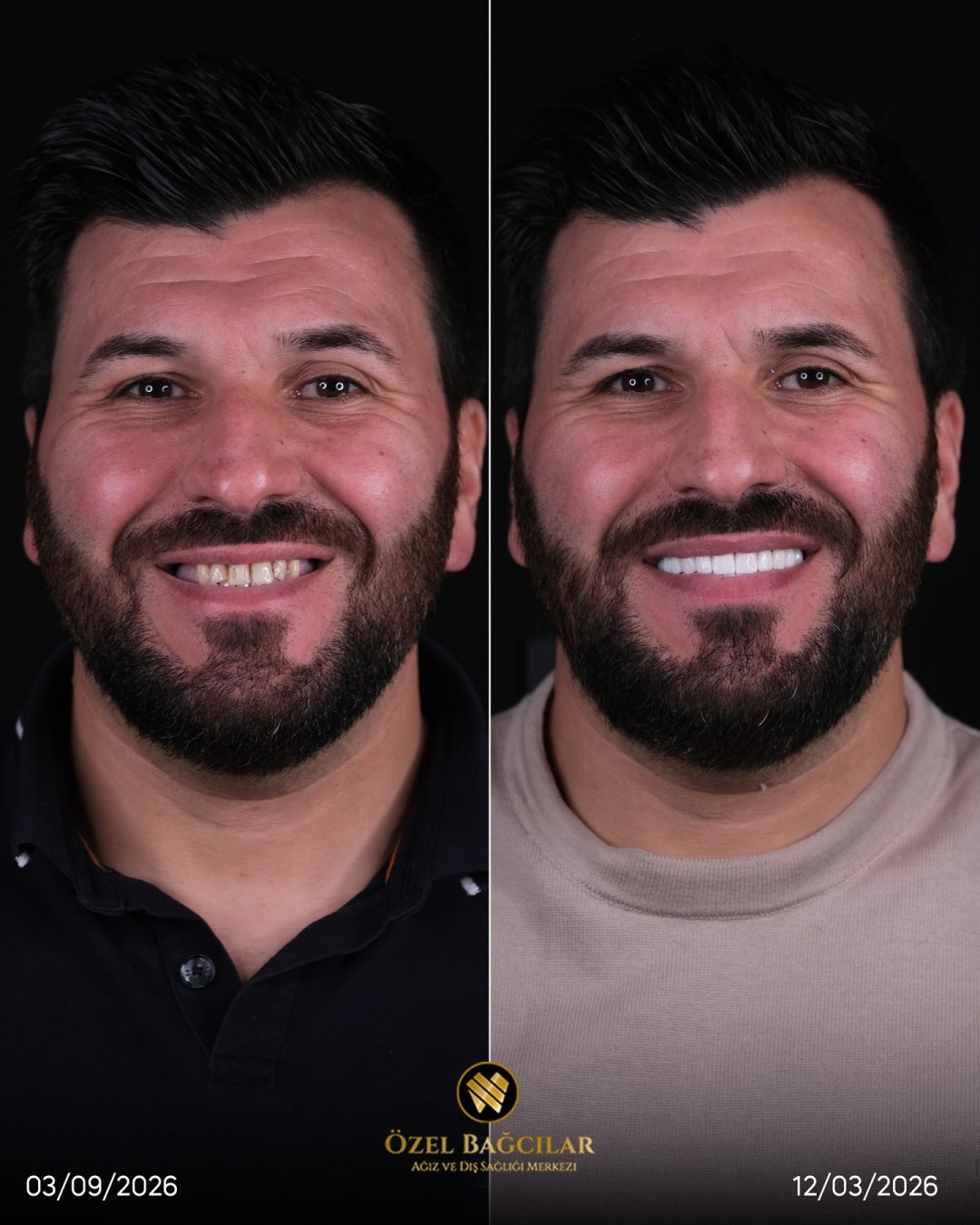
Crowns are the treatment most often bought as a package and least often explained as a sequence, so it is worth setting out how a Turkish trip is actually built. A conventional crown needs preparation, an impression or scan, a temporary, then a fit appointment once the laboratory has made the piece. In a home practice those appointments sit two weeks apart because the work goes to an external laboratory. Here they sit two or three days apart, because the laboratory is in the same building in Bağcılar and your case is the case it is working on.
That compression is the genuine advantage, and it is worth being precise about what it is not. It does not mean the ceramic is made faster or cured differently; a zirconia crown takes the same milling and sintering time in İstanbul as anywhere. It means the waiting between stages is removed, because the waiting was never technical. It also means a shade that is not right at try-in can be corrected and re-tried in the same trip rather than accepted because the flight is tomorrow — which is the single most common regret people bring back from treatment abroad.
The thing to establish before you travel is how many crowns are genuinely indicated. İstanbul has clinics that will crown ten upper teeth because a patient asked about two, and preparing a sound tooth is not reversible. Our position is on the record: where a tooth can be treated with a filling or bonding it should be, and a plan that never proposes the smaller option has not made a choice.
Everything fitted here carries our lifetime guarantee on materials and workmanship, in writing, with the exclusions stated plainly — and what that covers and what voids it is published rather than described on request.
How We Decide a Crown Is Genuinely Needed
The first question at assessment is whether a crown is the right restoration rather than which crown to make. Where an onlay or a bonded restoration would preserve more tooth and serve as well, we propose that instead — a crown avoided is tooth structure retained permanently.
Where a crown is indicated, the material is chosen for the position and the bite rather than by default. That means asking about grinding before the decision rather than after the first fracture, and it means being explicit that the strongest material and the best-looking material are not the same one.
Bite adjustment at fitting is done carefully and rechecked, because a crown that is fractionally high is the most common avoidable cause of early problems and the easiest to correct at the time.
Our clinic has treated patients from more than thirty countries over twelve years. All treatments carry a lifetime guarantee, subject to attending the recommended check-ups and following the aftercare given, and excluding accidental damage or neglect. For crowns that maintenance requirement matters because the failure point is the margin, and margins are assessed at examination rather than felt by the patient.
One practical matter differs by country and is worth settling before you travel: who looks after the work afterwards. Patients returning to the United Kingdom or Ireland will usually have routine checks with their own dentist, and the records we send are written for that. Patients returning to the United States often need the treatment coded a particular way for reimbursement. Both are arranged before you leave rather than requested afterwards.